[NOMADE DES MERS] Wind turbine and bio-coal in Senegal
Publication date : April 11, 2016
Authors: Corentin De Chatelperron, Guénolé Conrad, Pierre-Alain Lévêque
Location: Dakar - Toubacouta - Senegal
Senegalese situation #
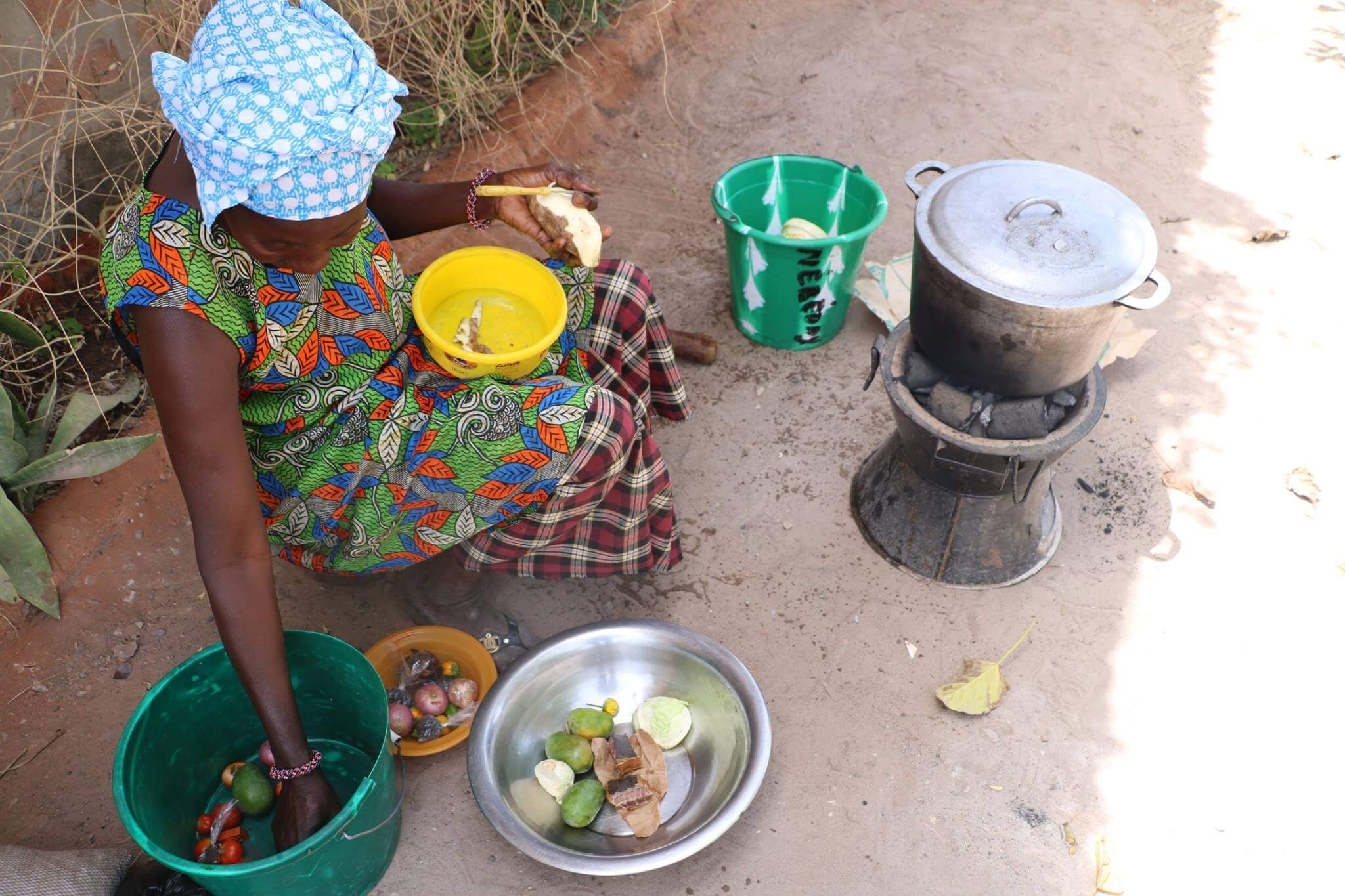
After passing through Morocco, we arrive in Dakar on April 10, 2016. In Senegal, deforestation and lack of access to electricity are the main scourges of the country. In 2016, just over half of households in urban areas have access to electricity, and only 30% in rural areas, and almost all of this production comes from fossil fuels. In addition, another energy-intensive source is cooking with charcoal, a source of deforestation. Over the last fifty years, 40% of Senegal’s forest, or 1.2 million hectares, has disappeared.
Piggott wind turbine and 20 W wind turbine #
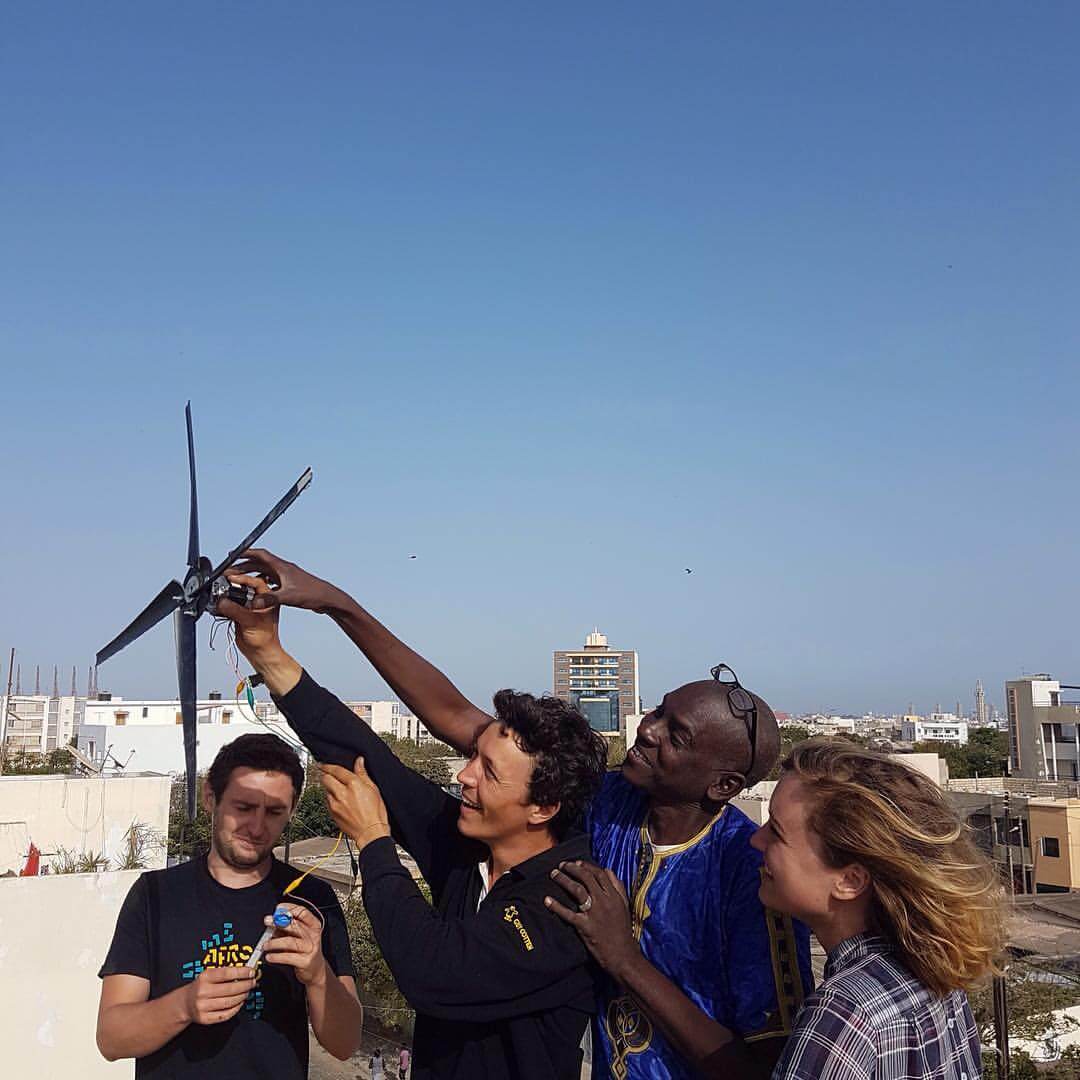
So solutions had to be found to meet these energy needs. And that’s good news, because the population under pressure is full of ideas and ingenious systems. So we met Abdoulaye, a Malian television repairman, who took us to Colobane, the recycling district. Our objective is to find elements of recovery to build two wind turbines. A 20W wind turbine that can charge a phone, and a 200W Piggott wind turbine that meets bigger needs such as a LED lighting network or laptop power supply.
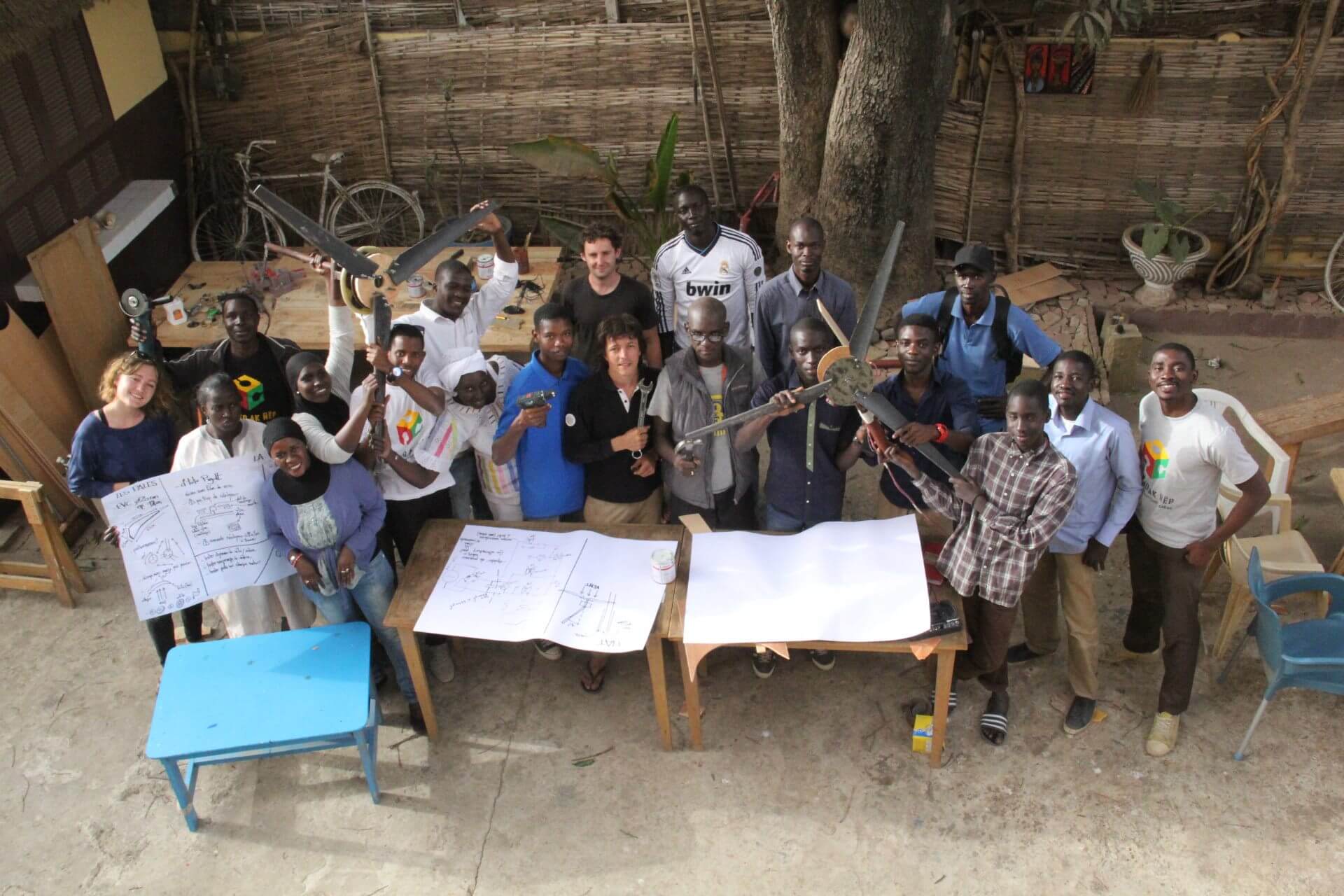
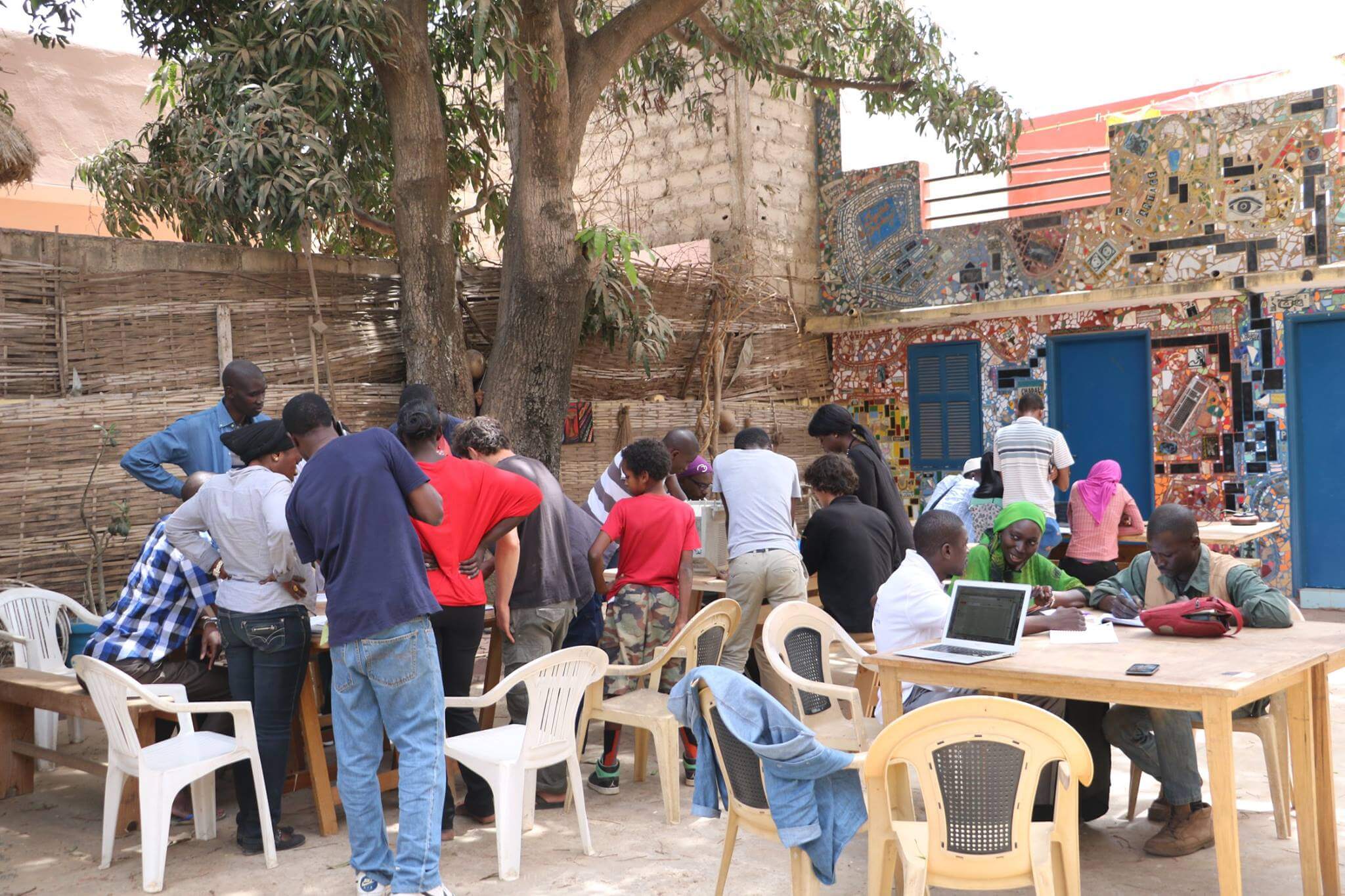
In Dakar is the AFROPIXEL#5 Festival. On the sidelines, the 12th Dak-Art Afropixel Biennial aims to imagine the African city of tomorrow. It is within the framework of this Festival that we organize the DIY wind turbine construction workshop with the fablab Defkoakniep Lab.
African cities are developing at high speed. Africa will not be able to effectively meet any of the challenges contained in this large-scale urbanization without the support of all, with an ownership of the actions to be taken, and a use of local specificities, constantly renewed. The demographic and urban challenges that await Africa - and therefore the world - therefore require more than ever vigilance and inventiveness.
Since the previous edition of Afropixel Jardins de Résistance, in May 2014, L’École des Communs de Kër Thiossane, in the heart of Dakar’s capital, has been seeking through art and so-called “open” technologies to develop or consolidate actions of solidarity, neighborhood and citizenship. It seeks the possibility of elaborating “solutions” to urban and social problems, on the basis of meetings and various projects, to defend the conscience of a common interest.
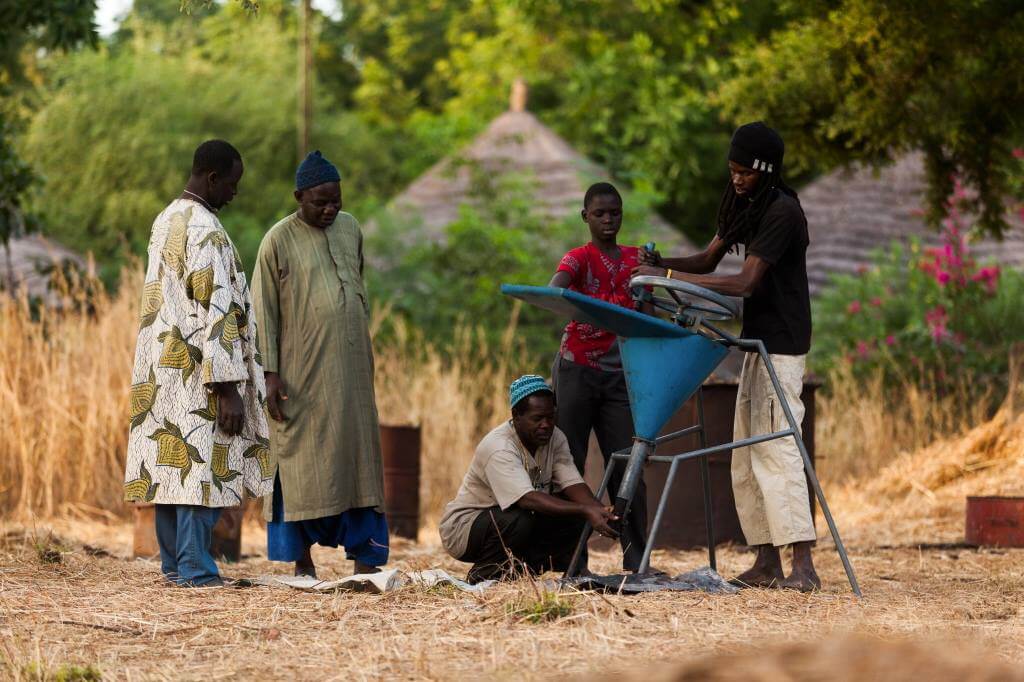
Biochar or green coal #
After Dakar, we went to Toubacouta, in the south of Senegal. It is a small village known for its lush vegetation… Nevertheless, the human need for wood for cooking is one of the main reasons for deforestation. Every year in the world, the deforested surface is equivalent to that of Belgium. So on the Nomade des Mers, we looked for an alternative to wood, that’s when we heard about bio-coal or green coal, produced from agricultural waste, with rice straw for example. A solution that seemed simple, accessible and effective. This technique is being developed on all continents, including here in Toubacouta where the Nébéday association has been using it for several years to combat deforestation. Jean Goepp, its founder, invites us to discover this low-tech.